I did not create Aleli because I had all the answers. Quite the opposite.
I created Aleli because I found myself in a clinic room, as a pediatrician, realizing that the answers parents needed were not always the ones I was trained to give.
In my first year practicing outpatient pediatrics in Douglas, Arizona, a mother came in with her eighteen-month-old daughter because she was worried about her daughter's anger outbursts. In the room, the little girl wanted to climb onto a stool. Her mother said no. And right there in front of us, this toddler fell into a full tantrum — crying, screaming, flailing, overwhelmed by feelings too big for her body to hold.
Then the mother looked at me with a look that so many parents have in the hardest moments:
"What do I do now?"
And I felt it too.
I was the pediatrician. I was supposed to know. She was here to get answers from me.
But in that moment, I felt helpless. I could feel the stress in the room, the mother's uncertainty, the child's distress, and the pit in my own stomach.
I could sense that something important was happening here — that these moments of big emotions and behaviors were more impactful to this parent-child relationship than anything I had been taught in medical school or residency.
But I did not know how to help.
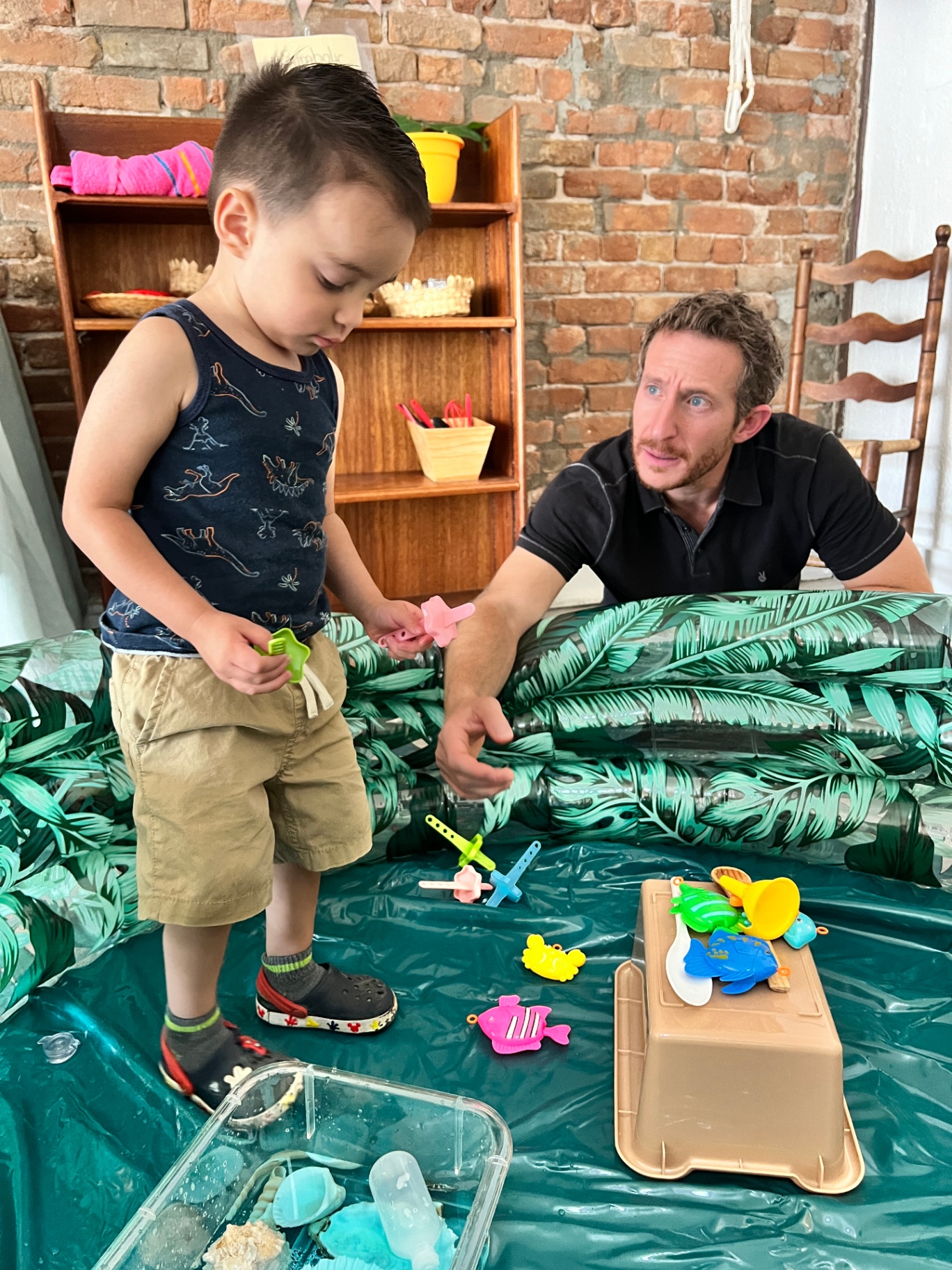
That moment stayed with me. I went back to my desk and committed to prioritizing the emotional and behavioral dynamics between parents and children.
I began studying tantrums, early brain development, attachment, temperament, early relational health, and the parent-child relationship. I created an early childhood curriculum called First Three to bring the science of brain growth and neurodevelopment into the clinic room. I taught families. I trained other pediatricians. I presented the work at conferences. I became a Zero To Three Fellow and kept learning how to better support young children, parents, and communities.
But over time, I became frustrated by the limits of the clinic setting. I realized that this work with families couldn't happen in the few minutes of a busy medical visit. Parents needed more space. I needed more time. We had to delve into the real moments of family life.
So I brought the work outside the clinic walls.
That became Aleli.
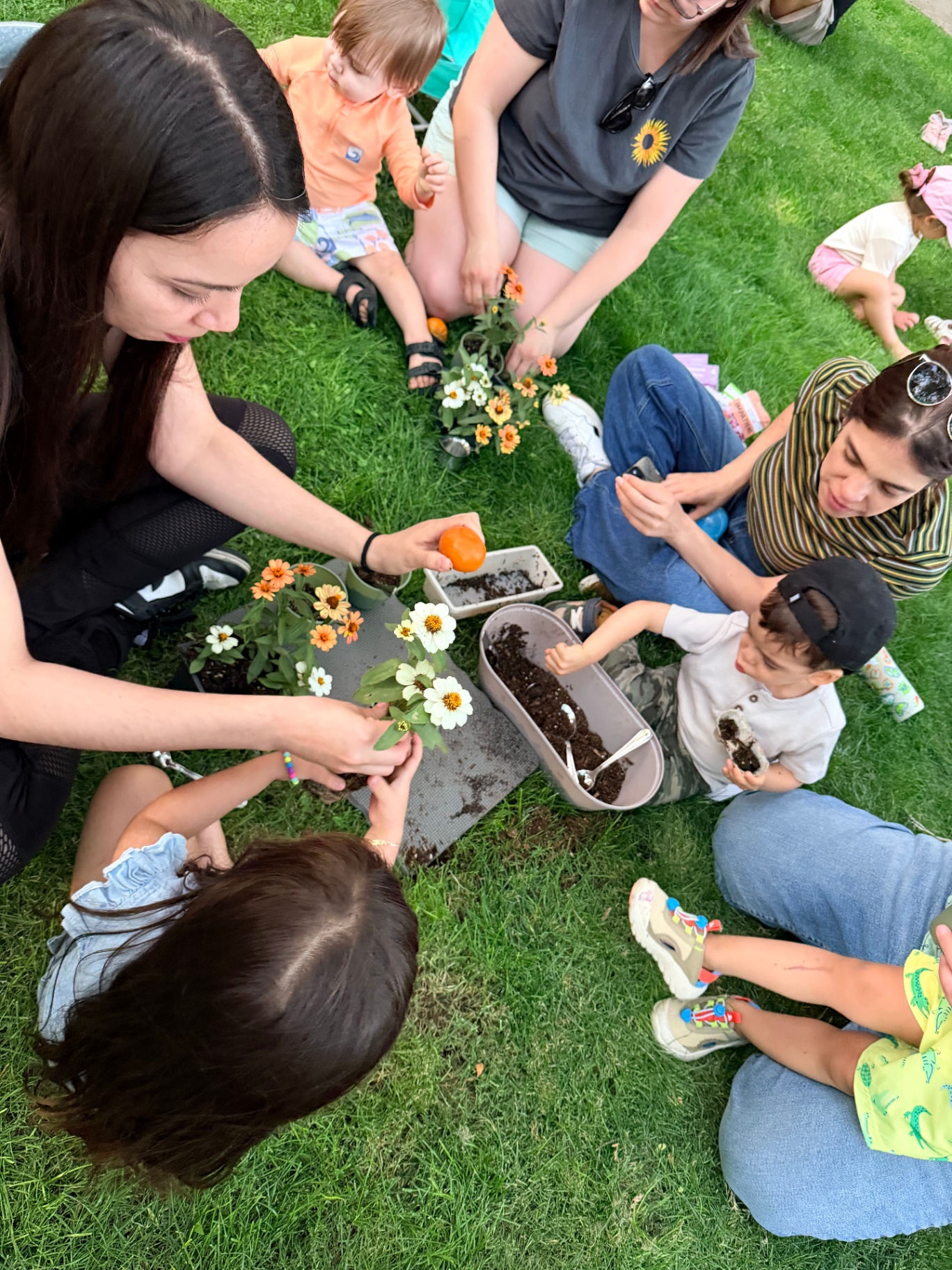
At first, I thought Aleli would work because I had learned so much. I had the research, the child development science, the attachment language, the explanations for behavior and emotion. I believed that if I could teach parents what was happening in their child's brain, the path forward would become clear.
That this would help the mother and her 18-month-old daughter.
But I was quite humbled in these first Aleli cohorts.
When children were having tantrums and parents were looking for help in the real moment, all the knowledge in the world was not enough.
I knew things in my head. But in the heat of the moment, I could still feel that same uncertainty, tension, and helplessness as years before in the clinic room.
I remember feeling that Aleli had failed. That this wasn't going to work. Parents had come hoping to feel more supported, and I could see that knowledge alone was not giving them what they needed.
That is when Aleli began to change.
I started listening more deeply. I partnered with my wife Elisa and other parents in the community. I began to understand that I was not there simply to teach. That I was not the expert of their lives. And how essential it was to listen, to hold space, to learn from them, to allow them to share and be seen, to see their inner strength, and to help them see their resilience when things were tough.
At the same time, I continued my own mind-body and spiritual practices. For years I have been deeply involved in my own practice of meditation, journaling, breathwork, and reflection.
These practices have changed my own life. They helped me become less attached to being right, more able to sit with discomfort and not feel it unsafe, more willing to face my own patterns and not shame myself, more able to be vulnerable, and more able to live from a place that feels true in my heart.
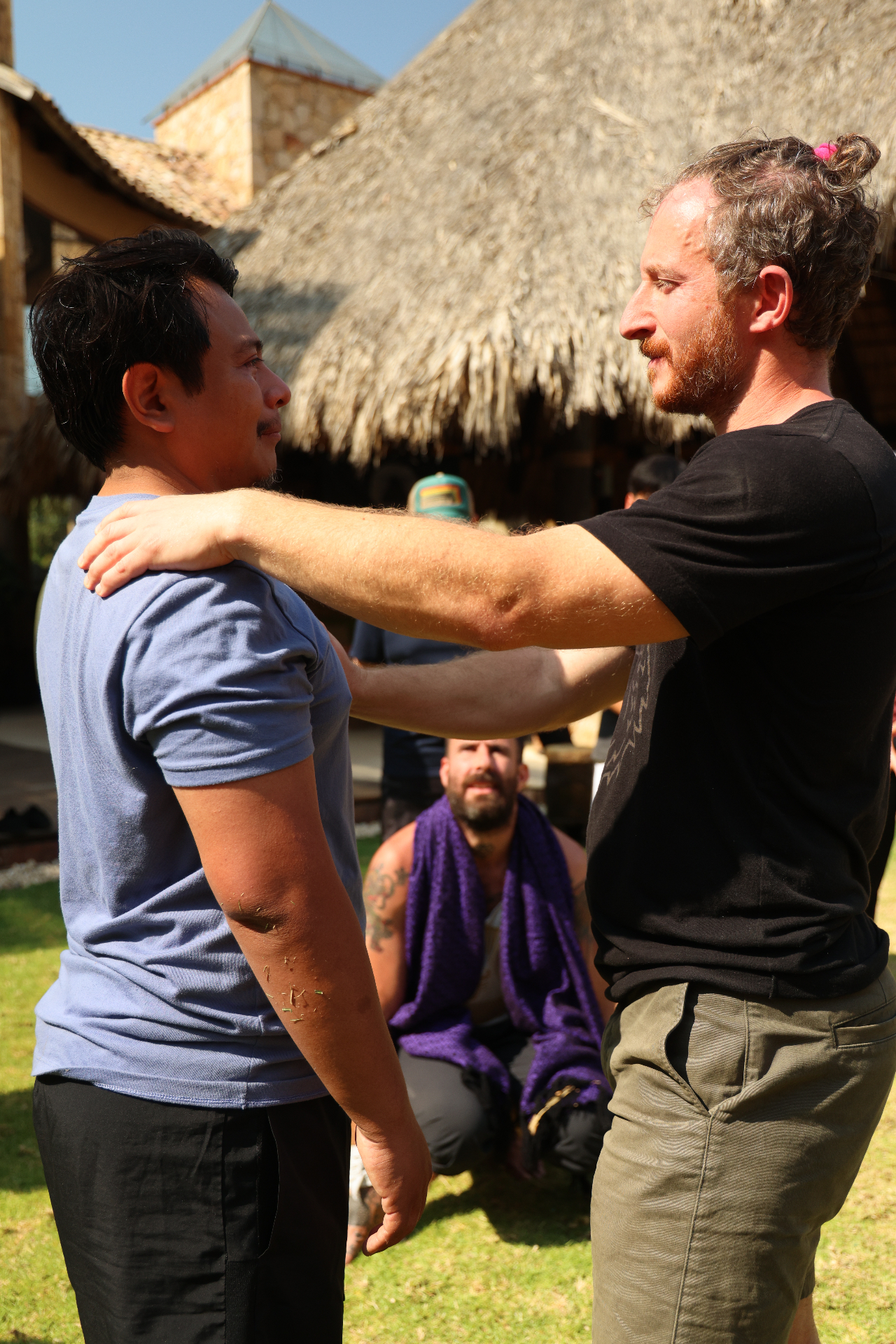
And slowly, I began to see the heart of Aleli.
The science was still essential.
But the science was not everything.
How can Aleli support children if we are not supporting the parents? I came to see that the most important thing to growth and development of the child is the wellbeing and peace of the parent.
Parents did not only need to know what to do with their child. They also needed support in their state of being when they do it.
They needed a place to understand their child's development and temperament, yes. But they also needed a place to understand their own triggers, stories, fears, values, and voice.
Parenting does not happen in theory. It happens in real moments when we are tired, rushed, overwhelmed, unsure, and still deeply wanting to respond with love.
That became the breakthrough.
A child's spark shines brightest when the parent is connected to their own peace, wholeness, and authenticity.
This is the presence that children seek.
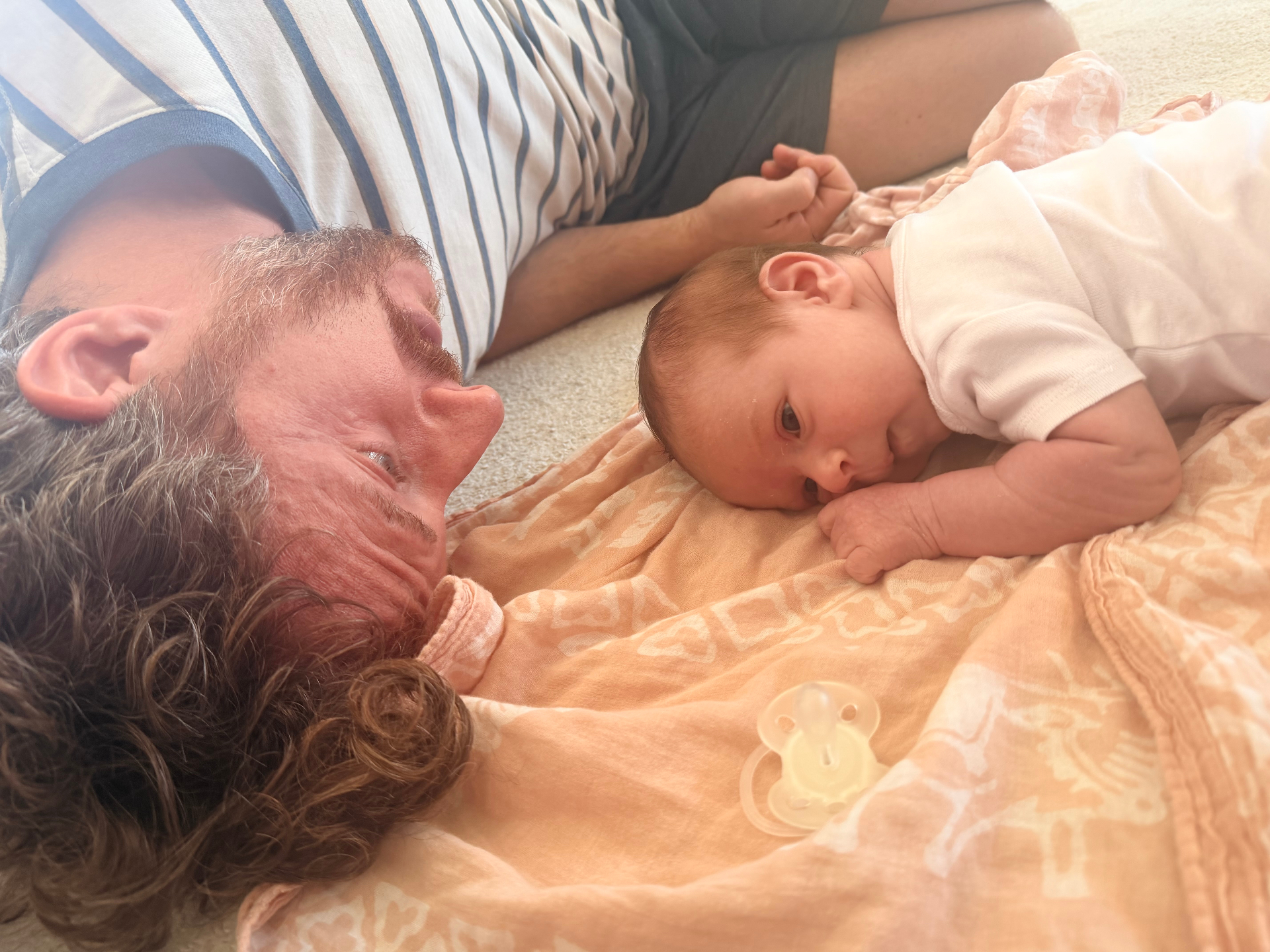
From this place, I see children differently too. I stopped seeing children as people we need to constantly teach, fix, or shape into something. I began to see that children already carry something wise and alive inside them. Their curiosity, intensity, sensitivity, persistence, weirdness, wonder, and way of expression are not problems to solve. They are signals of their spark.
Our job as parents is not to force that spark into existence. Our job is to create the physical, emotional, relational, and spiritual environment where it can safely come through.
That is the work of Aleli.
Aleli coaching brings together child development, temperament, attachment, early relational health, parent reflection, and mind-body practice. We look at the science, but we also honor the truth that every family is the expert of its own story.
You do not need another expert telling you there is one perfect way to parent.
You need a partner who can balance the science of understanding your child's development with the heart of trusting yourself and your voice to navigate the real moments with more steadiness and conviction.
That is the role I seek to play in Aleli coaching.
I have no interest in replacing your voice as a parent. Your voice is what your child seeks.
I am here to help you hear your own voice. To trust it and live from it. So your child can feel seen, safe, loved, and free to let their spark shine.